
Let’s be honest — people don’t suddenly resign.
They disconnect quietly.
They stop caring.
They stop trying.
They stop showing up with the same fire.
And by the time HR labels it attrition, the damage from
work related stress
has already been building for months.
Burnout never announces itself.
It doesn’t arrive with a warning sign or a calendar invite.
It hides behind productivity, professionalism, and politeness — until one day, it doesn’t.
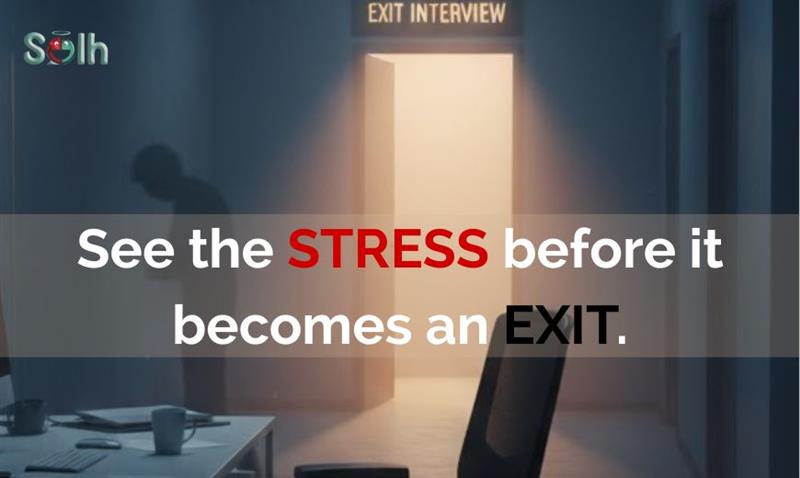
That’s when exit interviews happen.
And that’s when organizations realize the truth:
They didn’t lose people last week.
They lost them long ago — they just didn’t notice.
This is exactly why
workplace stress management
cannot be reactive anymore.
The Myth of “Sudden Burnout” at Work
Organizations often say, “We didn’t see it coming.”
But did they really not?
Late-night logins.
Camera-off meetings.
Minimal participation.
Polite but empty “I’m fine” responses.
These are classic signals of
stress at work .
Burnout doesn’t hide — it reflects.
In micro-behaviors.
In tone.
In body language.
In silence.
The problem was never visibility.
The problem was measurement.
Why Traditional Workplace Stress Management Fails
Most organizations still treat stress like an HR issue instead of a systemic one.
They track attendance.
They monitor output.
They send surveys.
But real
workplace stress management
requires understanding what happens before disengagement becomes resignation.
By the time stress becomes visible, burnout is already embedded.
The Cost of Ignoring Work Related Stress
Exit interviews are not insights.
They are post-mortems.
The signs were always present:
- Emotional detachment
- Reduced creativity
- Silent withdrawal
- Constant fatigue
Ignoring these signals weakens
workplace mental wellness
and turns retention into guesswork.
Streffie: Making Stress Visible Before People Quit
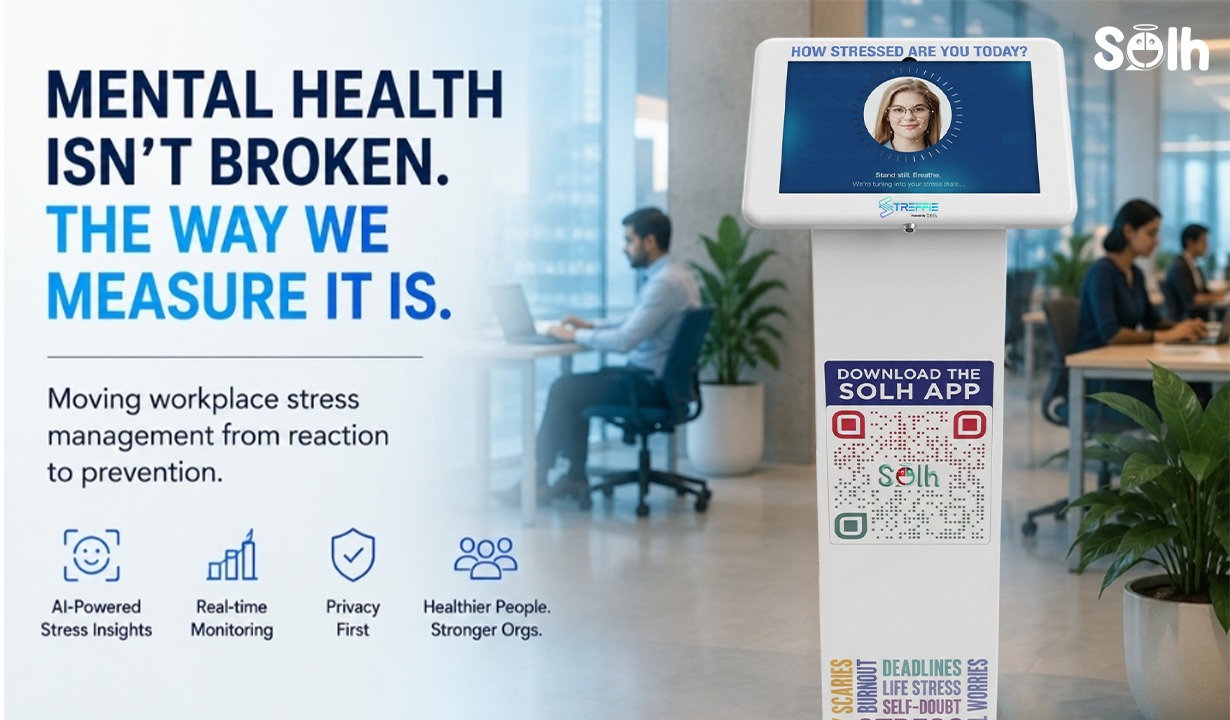
This is where Streffie changes the equation.
Instead of waiting for complaints, Streffie detects stress directly from facial micro-signals — identifying fatigue, anxiety, and emotional overload in real time.
Using AI-driven facial analysis, it captures stress patterns people rarely articulate.
No surveys.
No forced check-ins.
No self-reported bias.
This is proactive
stress management for employees —
before burnout becomes irreversible.
Learn more about the platform at
👉 Streffie
Why Data-Led Stress Detection Matters
Leadership often says, “Our people are our biggest asset.”
But very few leaders actually measure how that asset is feeling.
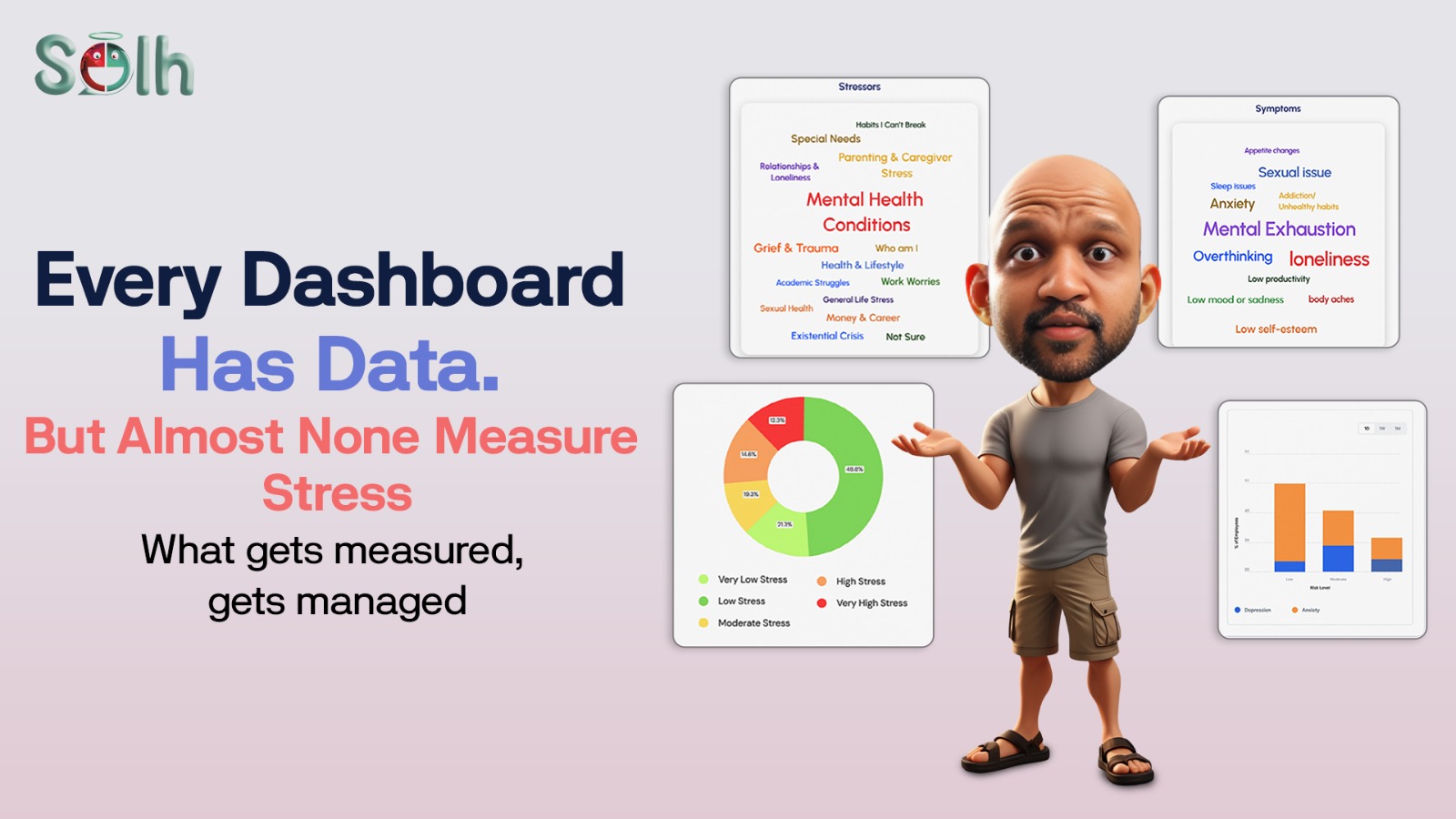
Streffie’s Smart AI Dashboard converts emotional signals into insight:
- Team-level stress patterns
- Burnout risk indicators
- Early warning signs
This isn’t surveillance.
It’s responsibility.
And it’s how modern organizations move from damage control to prevention.
The Final Truth
People don’t quit because they’re weak.
They quit because they’ve been unheard for too long.
By the time their truth appears in an exit interview, it’s already too late.
If you can measure sales and productivity,
you can measure stress.
Because burnout isn’t invisible —
you just didn’t have the eyes to see it.
Now, you do.
🔥 Truth Shot:
Burnout doesn’t make noise.
It leaves quietly — and takes your best people with it.
Measure stress before it disappears.
Frequently Asked Questions (FAQs)
1.What is workplace stress management?
Workplace stress management refers to identifying, measuring, and reducing stress at work before it leads to burnout, disengagement, or attrition. Effective workplace stress management focuses on early detection, prevention, and sustained workplace mental wellness rather than reactive solutions like exit interviews.
2. Why is stress at work often ignored by organizations?
Stress at work is frequently overlooked because it doesn’t show up in traditional performance metrics. Employees often remain productive while experiencing high levels of work related stress, making burnout invisible until disengagement or resignation occurs.
3. How does work related stress lead to employee burnout?
Work related stress accumulates quietly through long hours, emotional overload, lack of psychological safety, and constant pressure. Over time, this stress results in emotional detachment, fatigue, and reduced engagement—classic signs of burnout that surface only when it’s too late.
4.Why is workplace mental wellness important for employee retention?
Workplace mental wellness directly impacts productivity, creativity, and retention. When organizations actively monitor and support mental wellness, employees feel seen and supported, reducing burnout and improving long-term engagement.