
There is a version of stress most people recognise. The racing heart before a big presentation. The 3am spiral. The sudden urge to cry on the commute home. That version has a name and a face.
The version that quietly destroys you is different.
It does not announce itself. It becomes the background noise you forget to notice. The jaw tension you carry from Monday to Friday without registering it. The headaches you blame on your screen. The mood that snaps without warning and leaves you confused about where it came from. The tiredness that eight hours of sleep does not fix.
This is the stress that does the most damage. Because you never quite believe it is serious enough to do anything about it.
Why Chronic Stress Is So Easy to Miss
When stress becomes constant, the nervous system stops flagging it as a crisis. It adapts. The baseline shifts. You are no longer stressed — this is just how you feel. You look around at colleagues , friends, family, and they all seem to be carrying the same load. So you conclude this must be normal.
It is not.
According to the 2018 Cigna 360 Well-Being Survey, 89% of people in India reported experiencing stress — compared to a global average of 86%. At that scale, chronic stress stops feeling like a warning sign and starts feeling like the standard condition. That is exactly what makes it so dangerous. We have collectively agreed to call the crisis ordinary.
Chronic stress is not simply an emotional experience. It affects nearly every system in the body. Research has linked prolonged stress exposure to disrupted sleep, increased inflammation, impaired immune function, digestive issues, reduced concentration, and a higher risk of anxiety and depression over time.
The body's stress response is designed to help us handle short-term challenges. The problem begins when that response never fully switches off. When stress becomes constant, the nervous system remains in a state of heightened alertness, making recovery increasingly difficult.
What Your Body Is Actually Telling You
You are tired no matter how much you sleep
The kind of tired where eight hours still leaves you groggy. Where Monday morning feels like you never had a weekend. This is not about sleep quantity. It is about what chronic cortisol elevation does to sleep quality. The body cannot fully recover when the nervous system is still running at alert.
You are catching every illness going around
Sustained stress suppresses immune function directly. Elevated cortisol reduces the activity of the cells that fight infection. If you have been taking longer to recover from small illnesses, or catching things you normally would not, your immune system is sending a message your mind has been ignoring.
Your stomach is never quite right
The gut and brain are in constant two-way communication through the vagus nerve. When stress activates the fight-or-flight response chronically, digestion pays the price. Acidity. Bloating. Appetite changes. Most people try a new diet or blame the food. The stomach keeps sending the signal. The signal keeps getting misread.
Your memory and focus feel unreliable
You walk into a room and forget why. You reread the same email twice. Conversations drift because your attention keeps slipping away. Chronic stress affects areas of the brain involved in attention, learning, and memory. Many people assume they are becoming less productive or less capable when, in reality, their brain is operating under sustained pressure.
The things that used to restore you no longer work
You sit down to read and cannot focus. You start a show and find yourself scrolling instead. A walk that used to clear your head now feels like effort you do not have. Stress creates a state of low-level neurological activation that makes genuine rest harder than activity. When rest itself becomes difficult, that is a serious signal.
Small things are setting you off in ways that feel disproportionate
The notification at the wrong moment. The person who is slightly too slow. A minor plan change that hits harder than it should. When the stress bucket is full, ordinary things overflow it. The irritability is not about the trigger. It is about everything the trigger is landing on top of.
You cannot remember the last time you felt genuinely light
Not happy. Not fine. Light. The feeling of having nothing pressing on you — even for an hour. If you have to work to remember the last time that happened, sit with that for a moment.
Your body holds tension you only notice when someone points it out
A clenched jaw. Shoulders that live near your ears. Breathing shallow enough that a deliberate deep breath feels strange. The body stores what the mind will not acknowledge. Physical tension that has become so constant you stopped registering it is stress made structural.
Three Things You Can Do Today
You do not need to overhaul your life overnight. Small interventions can help interrupt the stress cycle before it becomes more deeply ingrained.
Take a five-minute pause to check in with your body
Notice your breathing. Relax your jaw. Drop your shoulders. Pay attention to where tension is sitting. Awareness is often the first step toward reducing stress.
Create one screen-free pocket in your day
Even ten to fifteen minutes without notifications, emails, or social media can help the nervous system settle. A short walk, a cup of tea, or simply sitting quietly can make a difference.
Protect your sleep routine
Try going to bed and waking up at roughly the same time each day. Consistency helps regulate the body's internal clock and improves recovery from ongoing stress.
What to Do With This
The first step most people skip is simply deciding to take the signals seriously. Not to wait until it becomes undeniable. Not to postpone attention until after the next deadline.
Start by paying attention to patterns. Are these symptoms appearing occasionally, or have they become part of daily life? The answer matters.
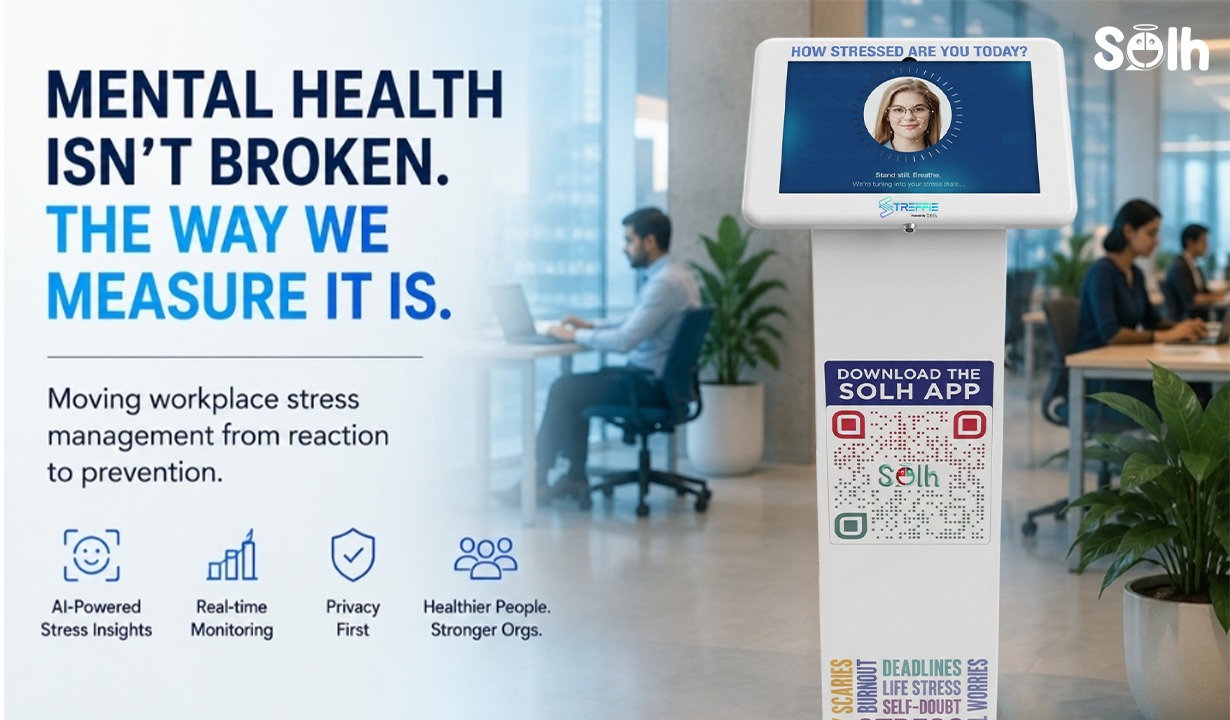
If you want a quick snapshot of where you stand, Streffie on the Solh app provides a stress score in under 10 seconds. It is not a diagnosis, but it can help you understand whether what you are experiencing deserves closer attention.
If these signs feel familiar, Solh Wellness offers guided calm sessions, sleep support, binaural beats, and access to qualified counsellors who can help you understand and manage chronic stress more effectively.
For readers interested in learning more, our article on sleep stress explores how ongoing stress affects recovery and sleep quality. Workplace stress examines why chronic stress has become so common in modern professional life and what organisations can do about it. If someone you care about is struggling with more severe mental health challenges, Prarambh Life provides structured recovery support.
The goal is not to eliminate stress entirely. The goal is to notice when it has stopped being temporary and started becoming your normal.
Frequently Asked Questions
Can stress show up as physical symptoms even without anxiety?
Yes. Physical stress symptoms — fatigue, immune suppression, digestive disruption — often appear before the person consciously registers that they are stressed. The body responds to sustained pressure even when the mind has normalised it.
How do I know if my tiredness is stress or something else?
If it does not improve with rest, and is accompanied by irritability, reduced concentration, or physical complaints, stress is a strong candidate. Persistent fatigue that does not respond to sleep warrants a conversation with a doctor — but stress should be part of that conversation.
Can you have chronic stress with no clear cause?
Yes. Background stress without a single identifiable trigger is extremely common. It builds gradually from accumulated pressure across work, finances, relationships, and sleep over months or years. The absence of a dramatic cause does not make it less real.
Does the Solh app help with physical stress symptoms?
Solh is not a medical tool. But its guided calm sessions, binaural beats, and sleep support help the nervous system settle out of sustained activation — which over time reduces physical symptoms connected to chronic stress.
Can stress cause body aches and muscle pain?
Yes. Chronic stress often leads to ongoing muscle tension, particularly in the neck, shoulders, jaw, and back. Over time, this tension can contribute to headaches, stiffness, and persistent discomfort.
What are the early signs of burnout?
Common early signs include emotional exhaustion, reduced motivation, increased irritability, difficulty concentrating, and feeling detached from work or responsibilities. Burnout often develops gradually rather than appearing suddenly.
How long does it take to recover from chronic stress?
Recovery varies depending on the individual and the duration of the stress. Some people notice improvements within weeks of making lifestyle changes, while others benefit from longer-term support through counselling, stress management techniques, or medical guidance.
Can stress affect hormones?
Yes. Chronic stress influences hormones such as cortisol and can indirectly affect sleep, appetite, energy levels, mood, and reproductive health. Persistent hormonal disruptions should be discussed with a healthcare professional.
When should I see a professional?
If these symptoms have been significantly affecting your work, sleep, or relationships for more than two to three weeks, speak to a mental health professional. You do not need to wait for a crisis. Solh connects you with counsellors who work specifically with this kind of chronic, low-grade stress.