
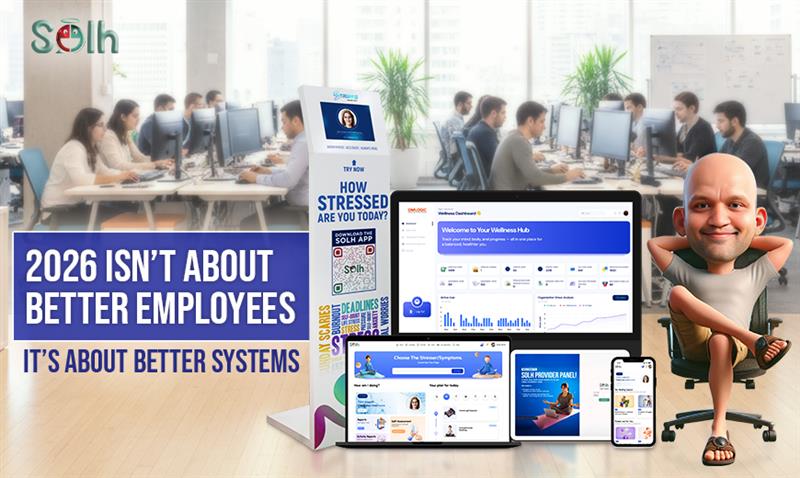
2026 will not be defined by how resilient employees become, but by how intelligently organisations redesign their systems through organizational stress management—reducing stress at work, preventing burnout, and supporting sustainable performance.
The Truth We Avoid Saying Out Loud
For years, we’ve been asking employees to adapt faster than systems evolve.
Workplaces changed.
Expectations exploded.
Technology accelerated.
Boundaries blurred.
But systems?
They stayed mostly the same.
So when people struggled, we didn’t redesign work —
we redesigned coping.
Meditation links.
Motivation talks.
Resilience posters.
“Wellness days” squeezed between deadlines.
This approach to stress management for employees focused on endurance, not design.
By the end of 2025, one thing became obvious:
this model is broken.
And that’s why 2026 isn’t about people becoming stronger.
It’s about organizational stress management becoming smarter.
Why “Better Employees” Was Always the Wrong Goal
Let’s be clear.
Employees didn’t suddenly become:
Less motivated
Less disciplined
Less committed
What actually happened is this:
Cognitive load increased
Emotional labour became invisible
Decision fatigue turned chronic
Stress stopped being episodic and became ambient
No amount of personal resilience fixes work related stress created by systems that:
Reward constant urgency
Confuse availability with commitment
Measure output but ignore strain
Treat stress at work as a personal weakness instead of an operational signal
You cannot train humans out of poorly designed systems.
Stress Is No Longer a Soft Issue — It’s Operational Debt
In 2026, stress is not a feeling.
It’s a data pattern.
It shows up as:
Shorter tempers in meetings
Slower decision-making
Risk avoidance
Rising attrition
Quiet disengagement long before resignation
The cost doesn’t hit immediately.
It accumulates.
Just like technical debt.
And organisations that ignore workplace stress management don’t eliminate stress —
they simply push the bill forward.
What “Better Systems” Actually Mean in 2026
This is where most conversations fail — they stay abstract.
Better systems are not about being “nicer.”
They’re about being realistic.
Effective organizational stress management systems:
Respect human cognitive limits
Build recovery into workflows
Reduce unnecessary friction
Make stress visible before burnout happens
Use technology to observe, not to micromanage
The smartest organisations in 2026 will not ask:
“How do we motivate people more?”
They will ask:
“What in our system is exhausting people and driving stress at work in the first place?”
That shift changes everything.
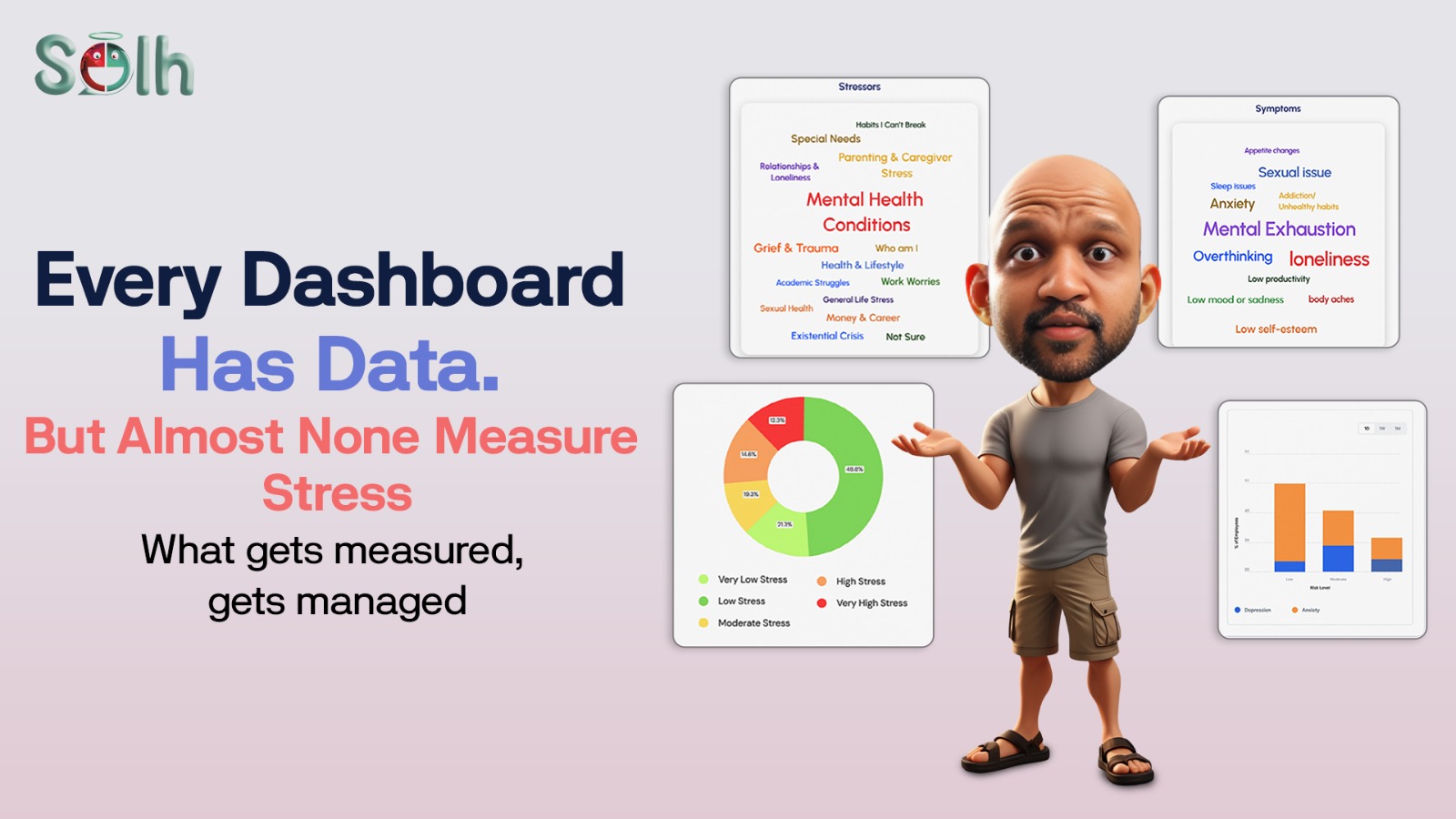
Why Measurement Changes the Conversation
You can’t fix what you can’t see.
Annual surveys are too slow.
Self-reporting is too polite.
Exit interviews come too late.
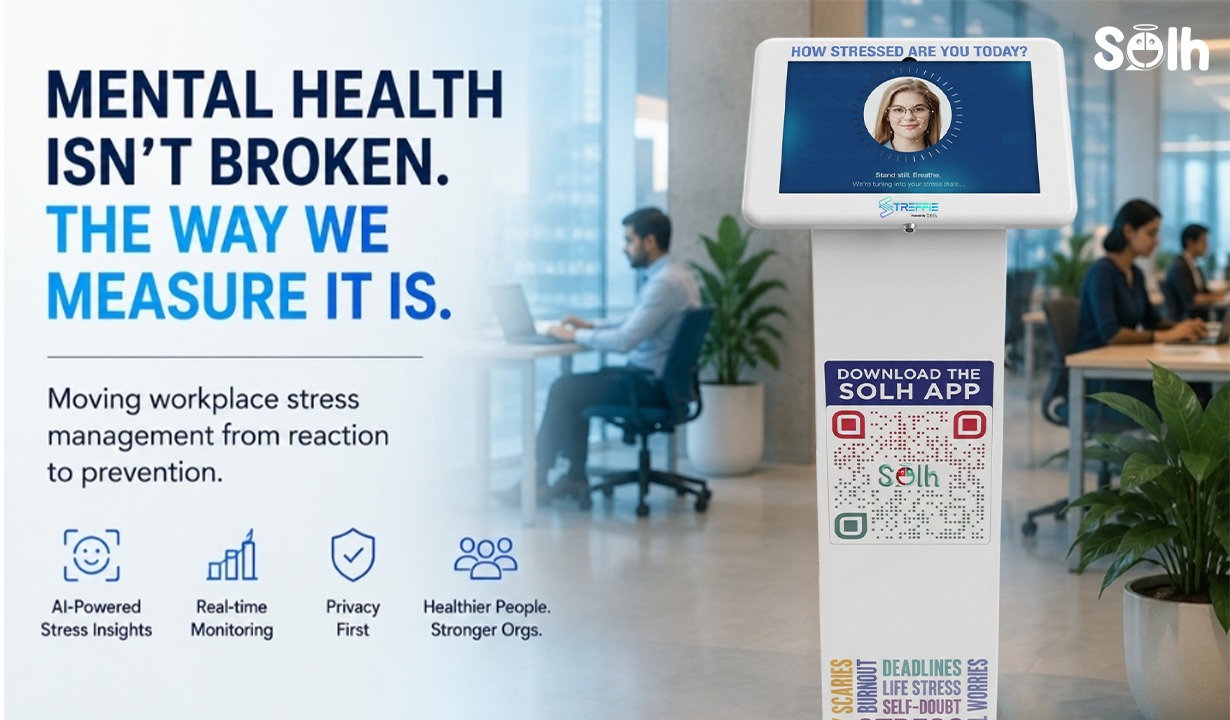
In 2026, forward-looking organisations improve managing workplace stress by moving toward:
Continuous stress indicators
Anonymous, aggregated insights
Real-time visibility into emotional load
Not to control people.
But to design better decisions.
When leaders can see stress early, they don’t need dramatic interventions later.
Prevention becomes strategy.
Calm Is Not the Opposite of Performance
One of the biggest myths we carry into 2026 is this:
“If people slow down, performance will drop.”
Reality shows the opposite.
Chronic stress at work:
Narrows thinking
Reduces creativity
Increases errors
Makes teams reactive instead of thoughtful
Calm doesn’t reduce ambition.
It improves clarity.
The organisations that win in 2026 won’t be the loudest or busiest.
They’ll be the ones that mastered workplace stress management with steadiness.
Because calm teams don’t panic.
They decide.
The Leadership Shift 2026 Demands
Leadership is no longer about pushing capacity.
It’s about protecting bandwidth.
In 2026, effective leaders:
Stop romanticising exhaustion
Take responsibility for system-generated stress
Design for sustainability, not heroics
Understand that emotional states shape outcomes
Leadership isn’t just about KPIs anymore.
It’s about nervous systems.
And leaders who ignore stress management for employees are not tough —
they’re outdated.
Closing Thought
2026 will not reward organisations that expect people to stretch endlessly.
It will reward those who finally asked a better question:
“How do humans actually work — and have we built systems that respect that?”
Because better employees were never the answer.
Organizational stress management always was.
FAQ (Frequently Asked Questions)
Q1. Why is 2026 important for organizational stress management?
Because stress has shifted from being an occasional issue to a continuous, systemic one. By 2026, organisations must move beyond surface-level workplace stress management and redesign systems that prevent chronic stress.
Q2. Are employees responsible for managing their own stress at work?
Individuals can develop coping strategies, but most stress at work is created by systems, expectations, and culture. Without organisational change, stress management for employees has limited impact.
Q3. What does workplace stress management mean in practice?
It means reducing unnecessary pressure, respecting cognitive limits, measuring stress early, and embedding recovery into workflows instead of reacting after burnout.
Q4. How can organisations manage workplace stress without invading privacy?
By using anonymous, aggregated tools focused on patterns rather than individuals. The goal is insight for better organisational decisions, not surveillance.
Q5. Does focusing on calm reduce productivity?
No. Calm improves clarity, decision-making, and long-term performance. Chronic work related stress reduces productivity far more than rest ever will.
Q6. What role does leadership play in managing workplace stress?
Leadership designs systems. Leaders who recognise stress signals early and redesign workflows prevent burnout and enable sustainable, high-performing teams.