
Nobody searches “anxiety treatment” when they are calm. They search it at 2 a.m., after a panic episode in a meeting, or the week a parent finally noticed something was off. The problem is, what comes back is usually a generic list. True, but not useful when you actually have to decide what to do on Monday.
This guide tells you what each option looks like in India in 2026, what it costs in time and money, and when it is the wrong call. It assumes you are an adult trying to make a real decision.
If you want a quick baseline before reading further, Solh's Streffie stress check gives you a stress score in under 10 seconds. Solh is a digital mental wellness platform that brings together self-assessments, licensed counselors, anonymous peer support, and practical mental health resources in one place. It's useful because anxiety and chronic stress overlap heavily but are not the same thing.
When does everyday anxiety become a clinical issue?
Everyone gets anxious before an interview or a difficult conversation. That kind of anxiety is doing its job. It pushes you to prepare and react.
It becomes a clinical issue when it keeps firing on quiet days. When you rehearse arguments that will not happen. When your chest tightens at unread emails. When sleep breaks at 3 a.m. with a busy mind.
If these have been with you for more than three weeks, treatment is worth looking at. There are six clinical anxiety types in the diagnostic system, but most adults sit somewhere on the generalised end.
What does CBT for anxiety actually look like in India?
Cognitive Behavioural Therapy is the most studied non-drug option for anxiety. Here is what it looks like in practice.
You sit with a therapist for 50 minutes a session, weekly. The first two or three sessions are intake. From around session four, you start doing written work between sessions: noticing a thought, the evidence for it, the evidence against, and a more balanced version. It feels mechanical at first. That is the point.
By session eight or nine, the work shifts to behaviour. If you have been avoiding meetings or social situations, your therapist walks you back into them in small steps. This is the part people quit before. Do not.
A full course is 12 to 16 sessions. In Indian metros in 2026, expect ₹1,500 to ₹4,000 per session with a licensed clinical psychologist. The total cost sits around ₹25,000 to ₹60,000, roughly what a single ER visit for severe panic costs out of pocket. Online CBT works almost as well as in-person for mild-to-moderate cases, and seeing therapist in India does not require a referral.
When does anxiety medication actually help?
Medication has a bad reputation in Indian families mostly because the conversation about it starts too late. Three broad categories get prescribed. The table below summarises the main differences.
Medication type | Speed of effect | Dependency risk | When it makes sense |
SSRIs / SNRIs (daily antidepressants) | 4 to 6 weeks | Low | First-line option for moderate-to-severe generalised anxiety. Raises the baseline. |
Benzodiazepines (alprazolam, clonazepam) | Within hours | High beyond a few weeks | Short-term bridge while SSRIs kick in, or single panic episodes. |
Beta-blockers (propranolol) | Within an hour | Low | Performance anxiety: presentations, exams, racing heart, trembling hands. |
The biggest mistake in India is being kept on benzodiazepines for months as the only treatment. They feel like they are working until you try to stop. If your doctor prescribes them, ask about the taper plan and what else is being done in parallel.
What can you do on your own that actually moves the needle?
Self-help is real and also oversold. Some things genuinely move clinical anxiety. Many do not.
What works:
• Aerobic exercise, 30-45 minutes, 3-5 times a week. Walking briskly counts. Studies show reductions comparable to a low-dose SSRI when sustained for 12 weeks.
• Sleep regularity. Not “eight hours” specifically, but a consistent bedtime and wind-down. Anxiety and disturbed sleep create a feedback loop.
• Cutting caffeine to one cup, before noon. Anxious bodies metabolise caffeine slowly.
• Limiting alcohol. It gives short-term relief, then worsens anxiety for two days. People rarely connect Tuesday’s anxiety with Sunday’s drinking. If alcohol use is itself becoming the problem, Solh's Alcohol & Anxiety resources explain how alcohol and anxiety often reinforce each other, with practical guidance, expert-backed information, and support options available through Solh's mental wellness platform.
• Diaphragmatic breathing, twice a day, two minutes each. Consistency matters more than duration.
What does not reliably work: generic mindfulness apps used inconsistently, detox plans, supplements without dietary context, manifestation content sold as therapy.
For day-to-day anxiety tracking, Solh's guide to anxiety signs and symptoms helps you recognize common warning signs, understand how symptoms change over time, and know when it may be time to seek professional support through Solh's counselors and mental wellness resources.
What about yoga and traditional Indian approaches?
The research on yoga therapy for anxiety is reasonably strong, especially for pranayama-based breathing. What helps is the combination of physical movement, breath regulation, and the social structure of a class.
Where it falls apart is when yoga becomes the only thing you do, or when teachers without clinical training are positioned as therapists. Use it as one layer. Do not expect it to replace the others.
How do you actually pick a path?
You do not pick one option. You sequence them.
1. Rule out medical causes first. Hyperthyroidism, B12 and D deficiencies, and anaemia all mimic anxiety. A basic blood panel is worth doing.
2. Make the obvious lifestyle changes. Sleep window, alcohol, caffeine, daily walks. Give it four weeks.
3. Start CBT, online or in person. Twelve sessions minimum before deciding it is not working.
4. If symptoms are moderate-to-severe or therapy alone is not moving things by week eight, add medication under a psychiatrist.
5. Layer in manage anxiety practices as ongoing maintenance.
Relapse is not failure. It is information about what was not enough.
Where Solh fits
Solh is a digital mental wellness platform built to make emotional support more accessible, private, and practical. It doesn't replace therapy or psychiatric care instead, it complements professional treatment by giving you tools and support throughout your mental health journey.
Inside the app, you can connect with licensed counselors, join anonymous peer support groups when you're not ready to talk to family or friends, and explore a growing library of guided breathing exercises, grounding techniques, sleep support, meditation, and evidence-based self-help resources designed for everyday mental wellbeing.
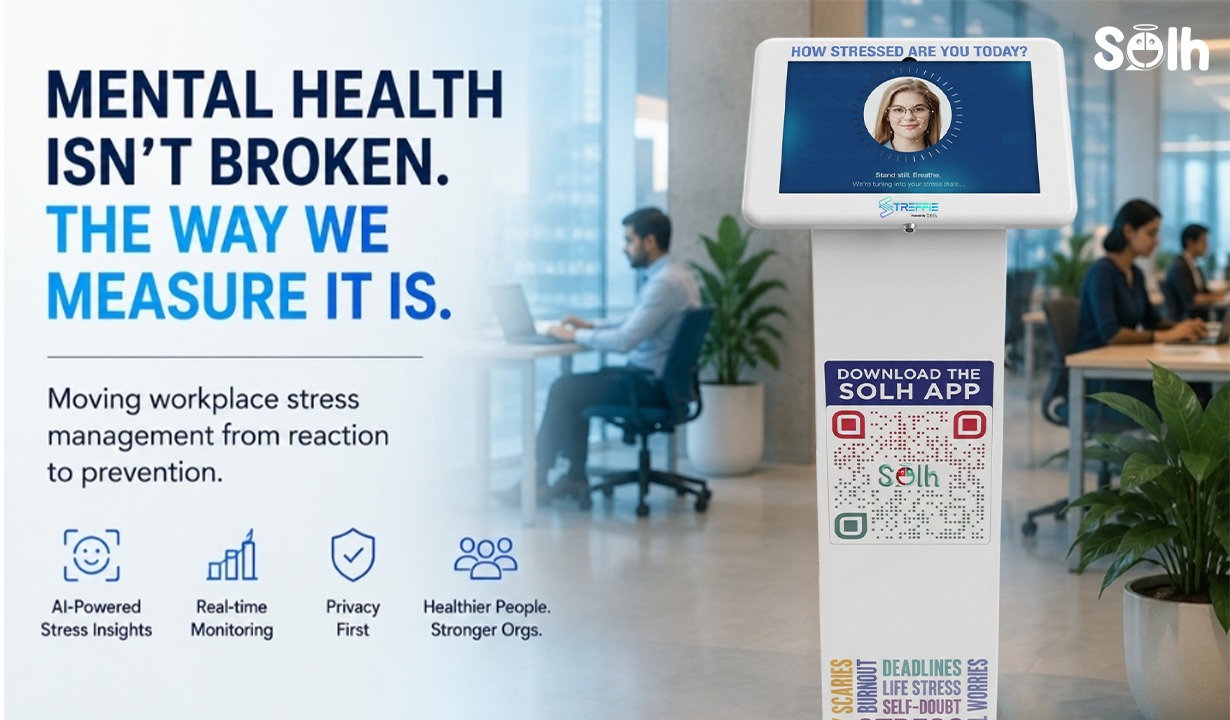
Solh's Streffie stress scan gives you a stress score in under 10 seconds, helping you track changes over time rather than relying only on how you feel in the moment. That objective view can make it easier to understand whether your current strategies are actually reducing stress or whether it's time to consider additional support.
Whether you're just beginning to explore anxiety, actively working with a therapist, or looking for everyday tools to stay consistent, Solh brings together professional guidance, self-help resources, and a supportive community in one place, making it easier to build sustainable mental wellness habits.
FAQs
Can anxiety be cured completely or is it lifelong?
Single-episode anxiety triggered by a specific event often resolves fully in three to four months. Generalised anxiety with a genetic or trauma history is usually long-term but very manageable with treatment.
Should I tell my employer I am in treatment?
In India, disclosure is not required or expected. If you need accommodations, a general “I am dealing with a health issue” framing usually gets you what you need without forcing a label.
Do I need medication or just therapy?
If anxiety disrupts sleep more than three nights a week, blocks you from work, or comes with panic episodes, medication is worth a psychiatric evaluation. Otherwise, CBT alone is the right starting point.
Is treatment for children the same as for adults?
No. SSRIs are prescribed cautiously at adjusted doses, CBT is adapted to be more behavioural, and school involvement is often part of the plan. Start with a child psychologist, not a general therapist.
Let’s Connect!